Indications You Required Roofing Repair Work: Protect Your Financial Investment With These Easy Checks
Comprehending the signs that show a need for roof fixing is essential for guarding your building and investment. Usual indications such as missing out on roof shingles, unanticipated water discolorations, and granules collecting in gutters can recommend underlying concerns that, if left unaddressed, might rise right into more significant issues. Furthermore, signs like drooping areas or increased power bills can likewise aim to ineffectiveness or damage. To ensure your roof continues to be in top condition and to avoid expensive repairs, it is vital to acknowledge these very early caution indicators and act appropriately. What actions should you take following?
Missing or Harmed Tiles
When examining the problem of your roof covering, one of the most telling indicators of possible concerns is the presence of missing or damaged shingles. Tiles function as the very first line of defense against the aspects, and their honesty is essential for preserving the total health and wellness of your roof. A couple of missing out on tiles might appear minor, yet they can lead to significant water infiltration, compromising the underlying framework and necessitating more considerable repair work.
Harmed roof shingles can show up in different ways, including curling, cracking, or blistering. Each of these problems can minimize the effectiveness of your roofing system, allowing dampness to permeate and lead to much more serious problems. It is necessary to perform regular examinations, especially after serious weather events, as high winds and hefty rainfall can intensify roof shingles degeneration.
If you identify missing or damaged shingles, it is advisable to address these concerns immediately. While minor fixings might be convenient for a home owner, extensive damage typically requires expert treatment. Prompt action can protect against additional issues and safeguard your investment, making sure the longevity and efficiency of your roofing.
Water Spots on Ceilings
Water spots on ceilings are typically clear indications of underlying water damage that calls for immediate interest. Recognizing the resource of these discolorations is crucial, as they can arise from various concerns, including roofing system leaks or plumbing problems. Addressing the root cause not only avoids further damage but likewise safeguards the honesty of the home.
Determining Water Damage
A home owner's alertness can be necessary in recognizing water damages early, especially when it shows up as water spots on ceilings. These stains usually appear as blemished spots, normally yellow, brown, or dark grey, and can differ in dimension from tiny places to huge spots. The presence of these spots is a clear indication of wetness invasion, which can cause further architectural damages otherwise attended to quickly.
When examining for water spots, focus on both the size and form of the discoloration. Irregular shapes may recommend continuous leaks, while much more specified locations could suggest previous problems. In addition, think about the location of the stains; discolorations near pipes fixtures or exterior walls might give clues concerning possible resources of the water breach.
It is additionally important to take a look at the structure of the ceiling surrounding the spots. Peeling off paint or gurgling drywall can signify extensive wetness direct exposure, calling for immediate attention. Normal evaluations and punctual action can assist stop a lot more extreme water damages, shielding both the structural stability of the home and the investment it represents. Always get in touch with a professional for a thorough analysis if you discover water discolorations on your ceilings.
Root causes of Spots
What variables add to the appearance of discolorations on ceilings? Water spots, frequently showing up as blemished spots, are primarily triggered by leaks in the roof or pipes systems. When wetness penetrates through roof covering products or jeopardized pipes, it can gather and bring about noticeable staining on ceilings.
One common reason is harmed or missing roof shingles, which can allow rainwater to leak right into the attic room and, ultimately, to the ceilings listed below. Additionally, inappropriate blinking around chimneys, vents, or skylights can be a substantial resource of water invasion. Plumbing leakages, whether from faulty pipelines or overflowing components, can also produce stains, specifically in locations directly below shower rooms or kitchen areas.
An additional adding factor is condensation, which can take place when cozy air meets great surface areas, leading to moisture buildup. This is especially typical in improperly aerated locations, such as attics or restrooms.

Recognizing the resource of the stain is vital for efficient repair. Ignoring these signs can result in extra considerable damage, consisting of mold growth and structural weakening, underscoring the significance of prompt treatment to protect your investment.
Granules in Seamless gutters
During regular assessments of your seamless gutters, the presence of granules can be a significant indication of roofing deterioration. These small, sand-like particles are normally located on the surface of asphalt roof shingles, functioning as a safety layer versus UV rays and weathering. Over time, wear and tear can cause these granules to displace, bring about an array of issues that may endanger the honesty of your roof.
If you notice an accumulation of granules in your rain gutters, it is vital to take this sign seriously. The loss of granules may expose the underlying asphalt to the components, increasing the risk of leaks and water damage. This circumstance not just endangers your roof covering's lifespan but can additionally lead to pricey fixings if not attended to immediately.
To mitigate possible damages, it is a good idea to evaluate your roof covering frequently, particularly after extreme climate events. In addition, engaging a specialist roofing specialist to assess the condition of your tiles can give valuable understandings (St Louis Roofing Companies). Early treatment is vital to maintaining your investment and making certain the longevity of your roof system. Keep in mind, granules in gutters are not an insignificant problem; they indicate the requirement for immediate interest and possible repair work
Sagging Roofing System Areas
Drooping roofing areas can indicate major architectural issues that need prompt attention. Visible deformities on the roof's surface, integrated with the existence of water spots inside the home, are crucial caution indications that ought to not be neglected. Attending to these problems quickly can stop further damages and pricey repairs.
Visible Roof Defects
Just how can homeowners determine possible issues with their roofing systems? Among the most telling indications is visible roofing system defects, especially sagging locations. A sagging roof might look like dips or contours, indicating underlying structural issues that could endanger the stability of the entire roof covering system. House owners ought to carry out routine inspections, looking for any obvious irregularities in the roofline.
Several elements can add to noticeable defects, consisting of water damage, inappropriate installment, or the weight of accumulated snow and debris. If a roofing appears to droop, it might suggest damaged rafters or trusses, which can cause more serious issues if left unaddressed. A drooping roofing not only jeopardizes the structural security of the home yet can additionally cause pricey repair costs if the issue escalates.
If drooping or other visible deformities are observed, it is suggested to speak with a specialist roof covering specialist. They can examine the scenario, identify the reason for the sagging, and recommend appropriate repair options. Timely treatment is vital to protect your financial investment and assure the durability of your roofing system.
Water Spots Inside Home
The visibility of water discolorations inside the home frequently signals prospective problems with the roof covering, especially in areas where sagging has been observed (Roof Repair). These discolorations generally show that water is penetrating with the roof covering product, which can lead to considerable architectural damage if left unaddressed. Sagging roof locations may be triggered by a range of factors, including poor support, accumulated dampness, or the degeneration of roof products
When you notice water discolorations, it is vital to explore the source of the wetness. Look for indicators of drooping in the roof covering structure, as this can worsen the issue. Usually, drooping areas can catch water, bring about leaks and more damages. In addition, it is crucial to evaluate the age of the roof; older roofing systems are much more susceptible to wear and tear, boosting the chance of leaks.
Motivate activity is essential to reduce damage. Consult a qualified roofing expert to analyze the situation and suggest ideal repairs. Overlooking water stains and drooping can lead to costly repair services and compromise the stability of your home. Secure your investment by attending to these signs prior to they rise right into much more severe problems.
Boosted Energy Costs
An unforeseen spike in power bills can usually indicate underlying issues with your roofing. When your roofing system is jeopardized, it can result in considerable air leaks, allowing conditioned air to run away and unconditioned air to penetrate your home. This inefficiency pressures your home heating and cooling down systems to function harder, leading to increased power intake and greater energy prices.
One usual culprit is damaged or missing tiles, which can reveal your home's interior to the components. In addition, inadequate insulation because of roofing damages can add to energy loss. If you notice a constant rise in your power bills without a matching change in use practices, it is vital to check out prospective roof-related problems.
Regular roof assessments are necessary for recognizing issues prior to they intensify right into pricey repair services. Search for visible indications of wear, such as drooping locations, splits, or gaps. These may show that your roofing system is no more giving the essential barrier versus the elements. Addressing these problems promptly can aid restore your home's power efficiency and protect your investment in the future. If you believe a problem, get in touch with a roof professional for a comprehensive assessment.
Mold or Mildew Growth
Mold or mildew development on your ceiling or walls can be a clear sign of roof-related problems, specifically when wetness infiltrates your home. These fungi grow in moist atmospheres and can posture serious health dangers, including respiratory system problems and allergies. Their existence usually recommends that your roofing may be endangered, enabling water to permeate in with leaks or gaps.
To analyze the circumstance, seek dark spots or staining on surface areas, typically in locations near to the roofline or where water might build up. In addition, check for any type of water spots, peeling off paint, or soft spots in your ceiling or wall surfaces, which may suggest recurring dampness problems.
Age of the Roof covering
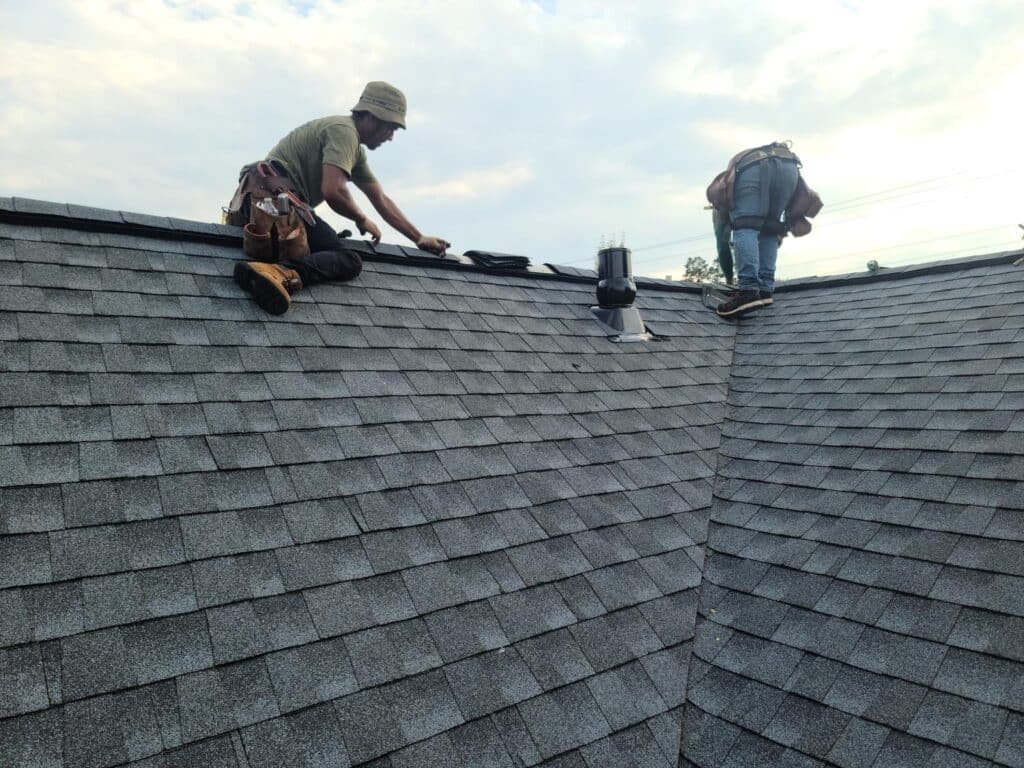
Assessing the age of your roof covering is essential in establishing its overall condition and possible requirement for repair services - I&E Roofing & Construction, Inc.. Many roofing materials have a particular life expectancy, typically varying from 15 to thirty years, depending on the kind of material utilized. Asphalt tiles, for example, typically last regarding 20 years, while metal roofs can sustain for 40 years or even more. As roofings age, they become more vulnerable to harm from climate, parasites, and various other environmental elements
Normal assessments learn this here now are essential for roof coverings older than 15 years. Indications of wear, such as fractured or curling shingles, missing tiles, or rust on metal surface areas, indicate that your roof covering might need prompt interest. Furthermore, interior signs and symptoms like water spots on ceilings or wall surfaces can signify underlying problems linked to an aging roofing.
If your roof is approaching its anticipated lifespan, consider consulting a specialist roofer for an extensive assessment. They can supply understandings on repair service choices or advise a replacement if required. Proactive administration of an aging roofing can avoid expensive damage to your home and guarantee that your financial investment remains safeguarded.
Regularly Asked Concerns
How Commonly Should I Evaluate My Roof for Damage?
Routine roof covering evaluations are vital for preserving the honesty of your home. It is a good idea to examine your roofing at least two times a year, ideally in the springtime and autumn, to identify any potential issues beforehand. Furthermore, after severe weather events, such as hefty tornados or hail, a comprehensive inspection is recommended. Addressing small damage without delay can prevent expensive repairs and prolong the lifespan of your roof considerably.
Can I Repair My Roofing Myself?
While it is possible to fix your roof yourself, it is important to analyze your abilities and the intricacy of the damages. Small problems, such as changing a few roof shingles, might be convenient for a do it yourself fanatic. Considerable repair services or structural problems commonly need professional know-how to assure safety and security and compliance with structure codes. Always prioritize your safety and security and consider getting in touch with a roof specialist for extensive damage or if you are unpredictable concerning the fixings
What Are the Common Reasons For Roofing System Leaks?
Usual sources of roofing leakages consist of harmed roof shingles, which can take place as a result of age or severe weather condition, and improperly secured vents or flashing that might permit water penetration. Furthermore, clogged seamless gutters can lead to water back-up, resulting in leakages. Structural issues, such as sagging roofings or compromised underlayment, also contribute to this problem. Regular assessments and maintenance are vital to determine these vulnerabilities and prevent expensive damages to your residential or commercial property.
Exactly How Can I Pick a Dependable Roofing Specialist?

What Is the Ordinary Life-span of Various Roof Covering Materials?
The ordinary life-span of roof materials differs significantly. Asphalt tiles typically last 15 to 30 years, while steel roofing systems can sustain 40 to 70 years. Timber shakes usually have a life-span of 20 to 40 years, whereas clay or concrete floor tiles can go beyond 50 years with appropriate upkeep. Lastly, synthetic roof products may provide resilience similar to typical choices, commonly long-term 30 to 50 years. Understanding these life-spans help in preparing for maintenance and replacement.